


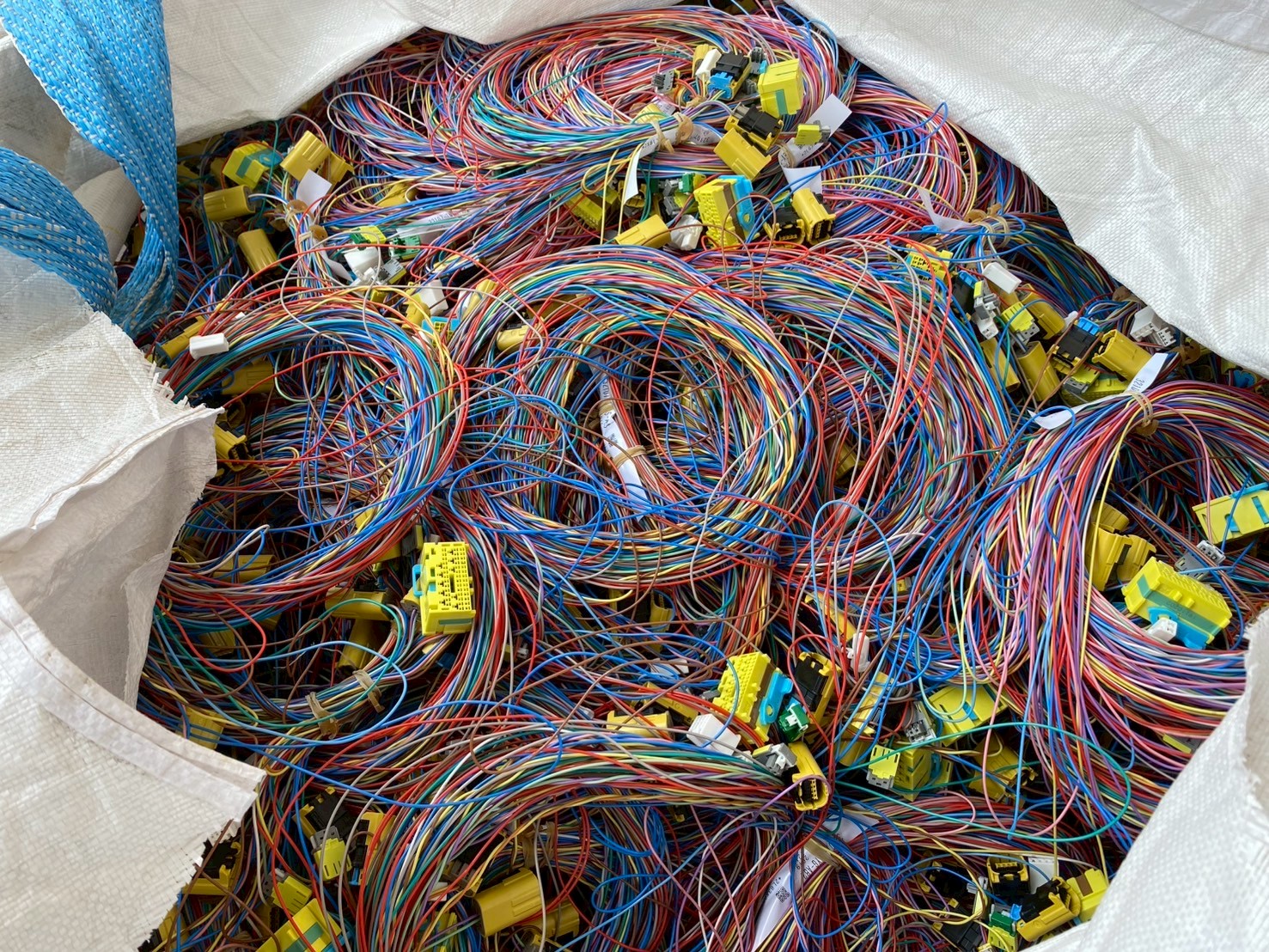
Cable factories see most defects coming from conductor processing, insulation, extrusion, and final testing.
1. Conductor Preparation (Wire Drawing & Stranding)
This is the foundation stage, and defects here carry forward.
Common NGs:
- Incorrect conductor diameter
- Surface scratches or nicks
- Broken strands
- Oxidation or contamination
- Incorrect stranding pitch
Root causes:
- Die wear or improper die selection
- Poor lubrication during drawing
- Machine misalignment
- Low-quality raw copper/aluminum
👉 Impact: Electrical resistance issues, mechanical weakness, rejection in later stages
2. Insulation Extrusion (Highest Scrap Contributor)
This is usually the #1 scrap-generating process.
Typical defects:
- Uneven insulation thickness (eccentricity)
- Air bubbles / voids
- Burn marks or degradation
- Pinholes or cracks
- Diameter out of specification
Root causes:
- Improper temperature profile
- Material moisture contamination
- Die and tip misalignment
- Poor extrusion pressure control
👉 Critical because: Directly affects dielectric strength and safety
3. Sheathing / Jacketing Process
Outer layer protection—critical for durability.
Common NGs:
- Surface roughness
- Poor adhesion between layers
- Color variation
- Thickness variation
- Shrinkage or deformation
Root causes:
- Incorrect material mixing
- Cooling system instability
- Line speed mismatch
4. Printing & Marking Defects
Often underestimated but high rejection in customer audits.
Typical issues:
- Missing or unclear printing
- Wrong specification marking
- Smudging or fading
Root causes:
- Ink quality issues
- Improper printer setup
- Operator error
5. Electrical Testing Failures
Detected during HV (High Voltage) or continuity testing.
Failures include:
- Insulation breakdown
- High resistance
- Short circuits
- Leakage current
Root causes:
- Insulation defects
- Conductor damage
- Contamination