


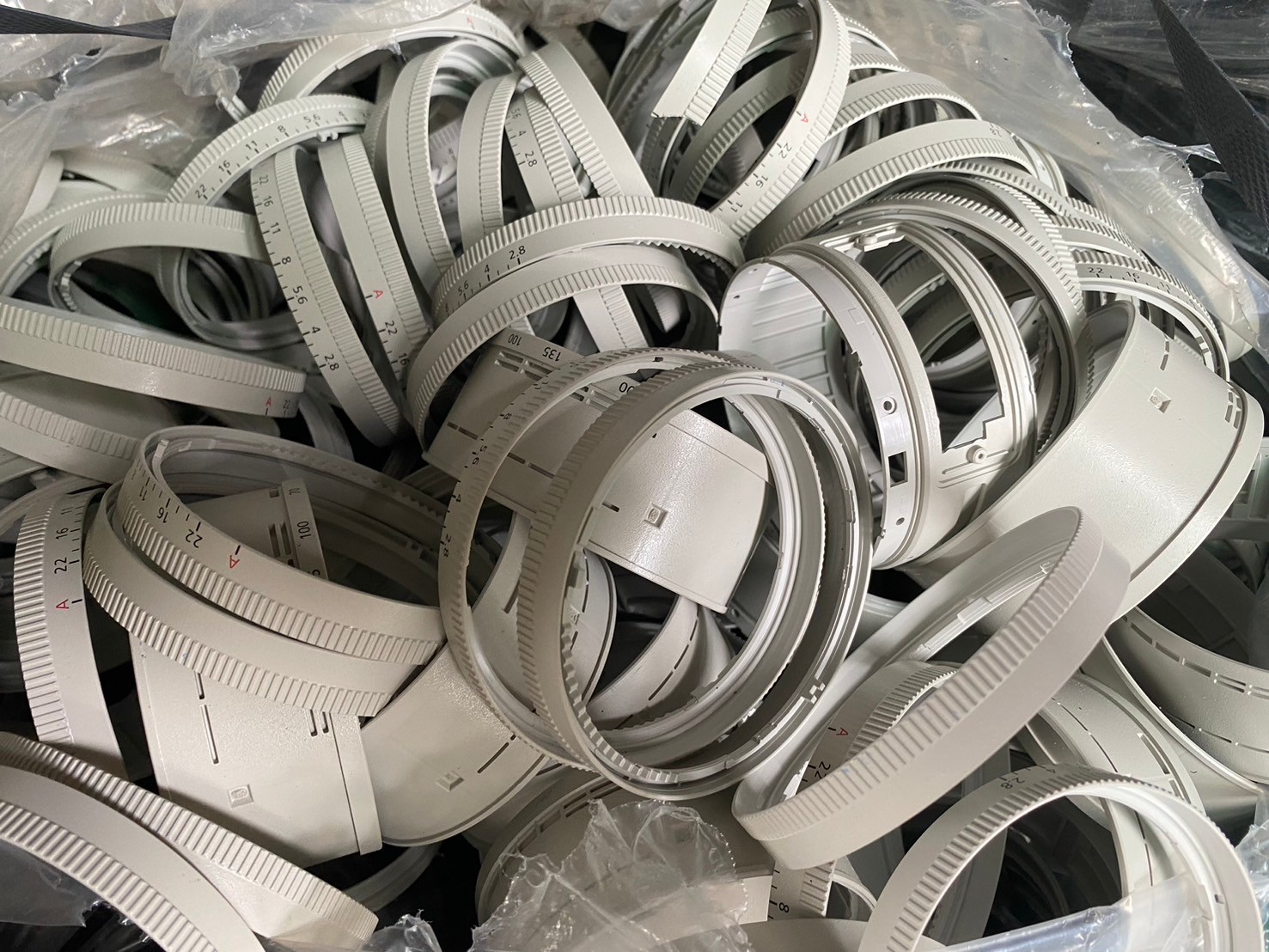
Plastic injection molding is one of the most widely used manufacturing processes across automotive, electronics, packaging, and consumer goods industries. While it delivers high productivity and precision, it also generates various types of scrap—ranging from runners and sprues to rejected finished goods. Managing this scrap is not just an operational concern; in Thailand, it is tightly linked to regulatory compliance, especially for companies promoted by the Thailand Board of Investment.
Implement an effective scrap inspection system while ensuring compliance with BOI requirements for plastic injection operations.
1. Understanding Scrap in Plastic Injection Molding
Scrap generated during injection molding typically falls into the following categories:
A. Process Scrap (Reusable)
- Runners and sprues
- Start-up rejects
- Purging materials
These are often reground and reused in production, depending on product specifications.
B. Quality Rejection Scrap
- Short shots (incomplete filling)
- Flash (excess material)
- Burn marks or discoloration
- Warpage and dimensional defects
These defects are usually caused by improper process parameters, mold issues, or material inconsistency.
C. Non-Recyclable Scrap
- Contaminated plastic
- Mixed polymer waste
- Customer returns (defective finished goods)
This type of scrap requires controlled disposal methods.
2. Importance of Scrap Inspection
Scrap inspection is not just about waste tracking—it is a critical quality and compliance function.
Key Objectives:
- Identify root causes of defects
- Reduce scrap generation and cost
- Prevent mixing of good and rejected parts
- Ensure traceability for audits and compliance
A strong inspection system directly improves yield, process stability, and profitability.
3. Scrap Inspection Process (Step-by-Step)
1. Segregation at Source
- Separate scrap immediately at the production line
- Use color-coded bins for different scrap types
- Label clearly: Regrind, Reject, To Be Destroyed
2. Visual & Dimensional Inspection
- Check for common molding defects
- Use gauges or templates for dimensional verification
- Record defect types and frequency
3. Material Identification
- Confirm resin type (e.g., ABS, PP, PC)
- Avoid mixing incompatible materials
- Maintain traceability to production batch
4. Weight & Quantity Recording
- Record daily scrap generation (kg or pieces)
- Compare against standard scrap rate (%)
- Flag abnormal increases
5. Recyclability Assessment
- Determine if scrap can be reground and reused
- Define allowable regrind percentage (e.g., 10–20%)
- Ensure no impact on product quality
6. Approval for Disposal
- Non-recyclable scrap must be approved by QA / compliance team
- Maintain documentation for audit purposes
4. BOI Scrap Requirements in Thailand
For BOI-promoted companies, scrap handling is strictly regulated to prevent misuse of duty-exempt raw materials.
Key Compliance Points:
A. Scrap Must Be Controlled
Companies must report:
- Quantity of raw materials used
- Quantity of finished goods produced
- Scrap generated and its disposal method
B. Approved Disposal Methods
- Destruction (ทำลาย) – shredding, crushing
- Landfill (ฝังกลบ) – via licensed waste contractors
- Recycling – only with proper approval
- Export of scrap – in some cases, with documentation
C. Documentation & Reporting
- Scrap records must match BOI production reports
- Maintain inspection logs, photos, and disposal evidence
- Periodic audits by BOI authorities
Failure to comply may result in penalties, including loss of BOI privileges.