


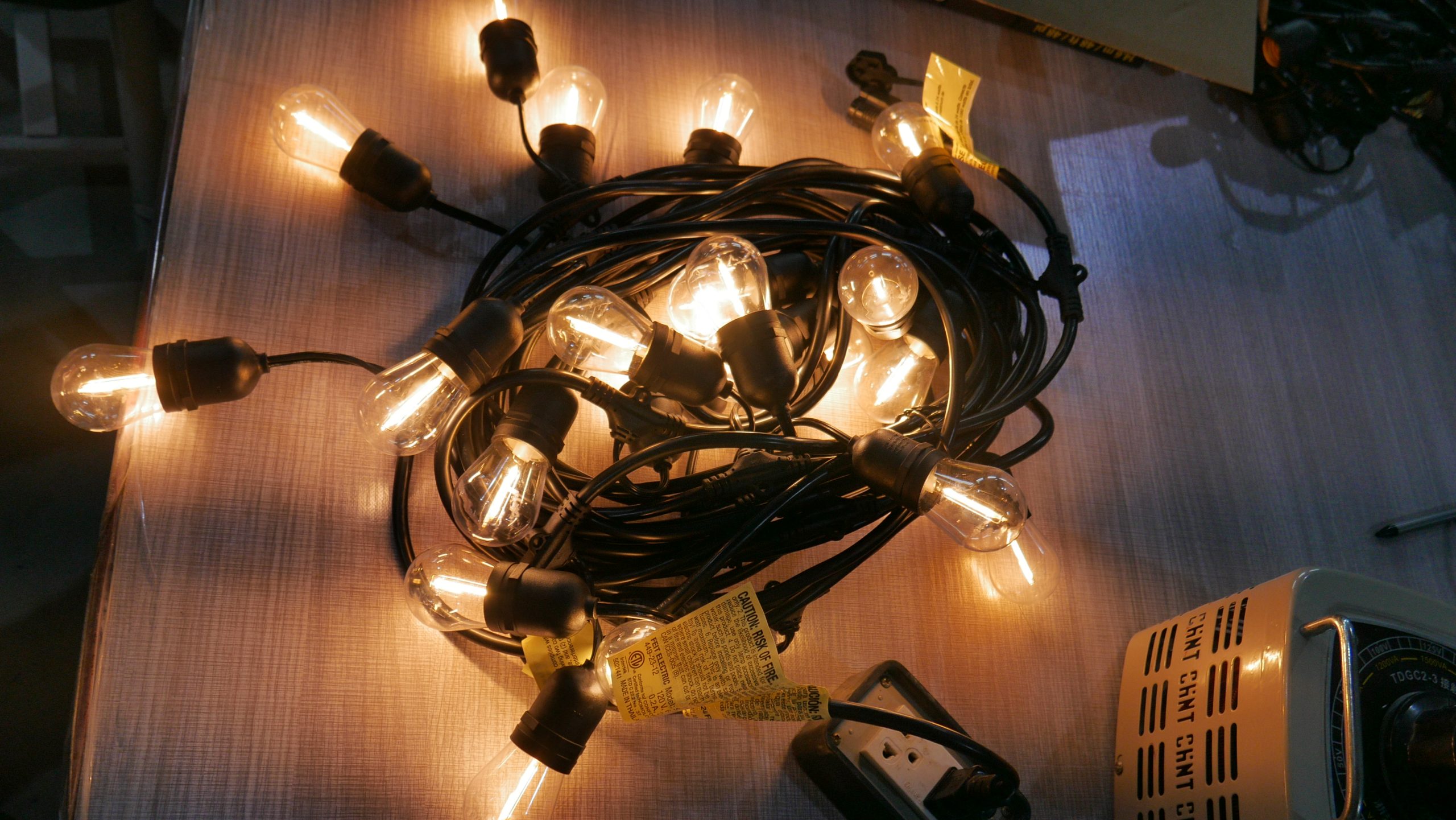
Christmas lighting products are widely used decorative items that bring warmth and celebration to homes, commercial spaces, and public areas. However, due to their electrical nature and prolonged usage, ensuring their safety and quality is critical. A robust inspection process helps manufacturers, importers, and retailers prevent hazards such as electrical shocks, fire risks, and premature product failure.
1. Incoming Material Inspection (IQC)
The inspection process begins with verifying raw materials and components:
Key Components Checked:
- LED bulbs or incandescent lamps
- Wires and insulation materials
- प्लग (plugs) and connectors
- Controllers (for blinking or decorative modes)
- Plastic housing and protective covers
Inspection Criteria:
- Wire thickness and insulation quality
- LED brightness consistency and color accuracy
- Plug pin strength and conformity
- Material compliance with safety standards
Early detection of substandard materials helps avoid large-scale defects during production.
2. In-Process Quality Control (IPQC)
During production, continuous monitoring ensures that assembly processes meet quality standards.
Key Checks Include:
- Proper soldering of electrical joints
- Secure connection between wires and bulbs
- Correct installation of controllers and resistors
- Uniform spacing of lights along the string
Common Defects Identified:
- Loose connections
- Cold solder joints
- Misalignment of bulbs
- Wire damage during assembly
Regular in-line inspections reduce rework and improve production efficiency.
3. Electrical Safety Testing
Since Christmas lights operate on electricity, safety testing is the most critical phase.
Tests Performed:
- High Voltage (Hi-Pot) Test: Ensures insulation can withstand voltage without breakdown
- Insulation Resistance Test: Verifies electrical leakage protection
- Continuity Test: Confirms proper current flow across the circuit
- Power Consumption Test: Checks if the product meets rated specifications
Products must comply with international safety standards such as:
- IEC
- UL
- CE
4. Functional Testing
This stage ensures that the lighting performs as intended under normal conditions.
Key Functional Checks:
- All bulbs illuminate properly
- Flashing/blinking modes operate correctly
- Controllers respond to settings
- No flickering or intermittent lighting
For decorative lights with multiple modes, each function is tested systematically.
5. Durability and Environmental Testing
Christmas lights are often used outdoors, making durability essential.
Tests Include:
- Pull Test: Ensures wire and plug strength
- Bend Test: Checks flexibility of wires
- Drop Test: Evaluates resistance to physical impact
- Water Resistance Test (IP Rating): For outdoor lights
- Temperature Test: Ensures performance in cold or hot environments
These tests simulate real-world usage conditions.
6. Aging (Burn-in) Test
Products are operated continuously for an extended period (typically 4–24 hours) to detect early failures.
Purpose:
- Identify defective LEDs
- Detect overheating issues
- Ensure long-term reliability
Any failure during this stage indicates potential field issues.
7. Final Random Inspection (FRI)
Before shipment, a statistically selected sample is inspected based on standards like ANSI/ASQ Z1.4.
Inspection Focus:
- Visual defects (scratches, discoloration, broken bulbs)
- Labeling and packaging accuracy
- Quantity verification
- Barcode and instruction manual correctness
This step ensures that only conforming products reach customers.
8. Packaging and Label Verification
Proper packaging protects the product and ensures regulatory compliance.
Checks Include:
- Safety warnings and usage instructions
- Voltage and power ratings
- Certification marks (CE, UL, etc.)
- Country of origin labeling
Incorrect labeling can lead to customs rejection or legal issues.
9. Container Loading Supervision (CLS)
The final step ensures safe and correct shipment.
Key Points:
- Proper stacking to avoid damage
- Moisture protection (especially for sea shipments)
- Correct quantity loaded
- Container sealing and documentation