

“คณะกรรมการส่งเสริมการลงทุน (BOI) ของประเทศไทยมีนโยบายส่งเสริมอุตสาหกรรมเฉพาะด้าน โดยให้สิทธิประโยชน์ทั้งทางภาษีและมิใช่ทางภาษีในระดับที่มีนัยสำคัญ บริษัทที่ประกอบกิจการรีไซเคิลโลหะมีค่าจากขยะอิเล็กทรอนิกส์และอุปกรณ์ไฟฟ้ามักจัดอยู่ในกลุ่มกิจการที่ได้รับการส่งเสริมดังกล่าว”
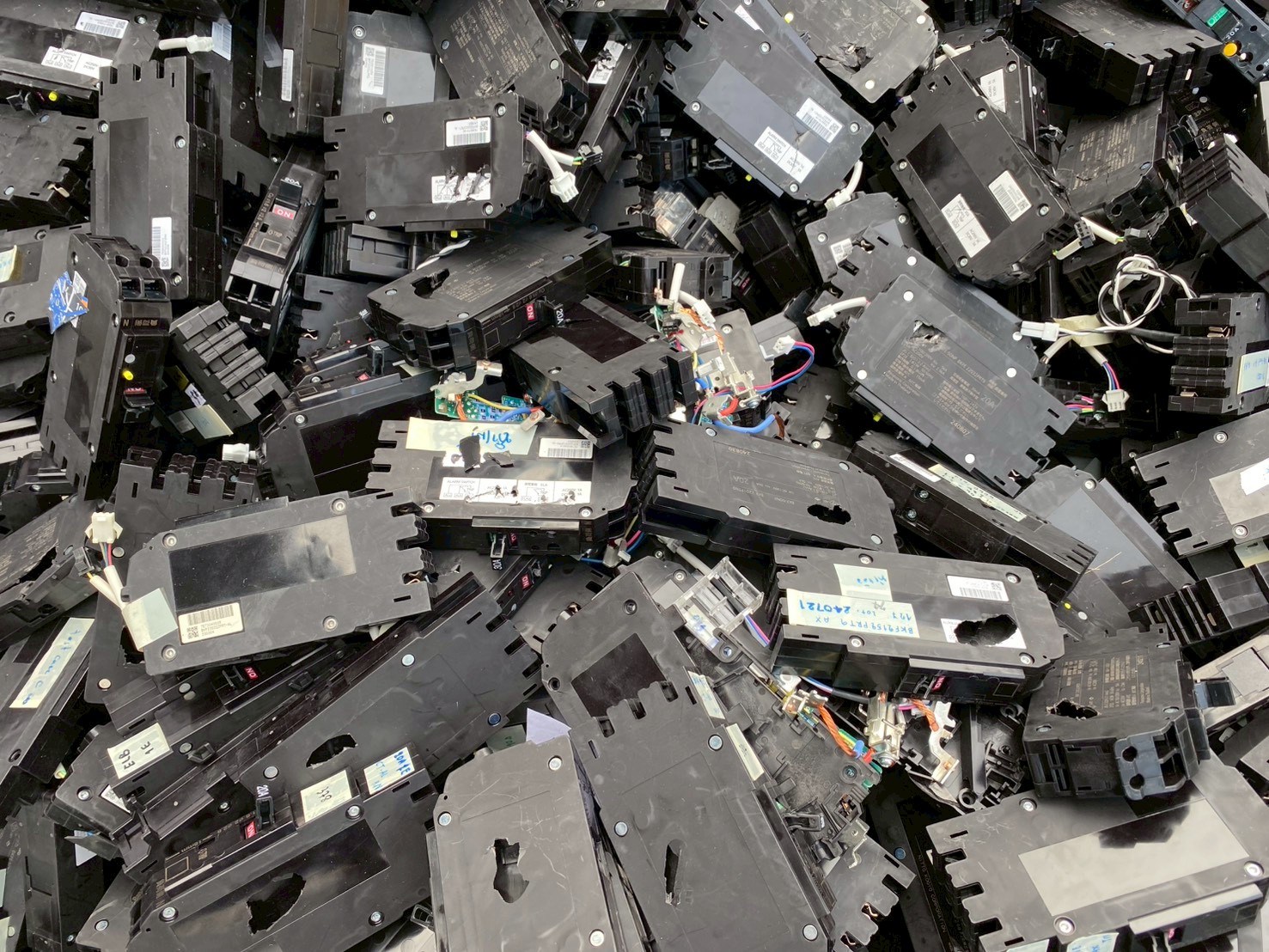
สำหรับบริษัทที่นำเข้าหรือดำเนินการเกี่ยวกับเศษซากเซอร์กิตเบรกเกอร์ภายใต้การส่งเสริมการลงทุนของ BOI การตรวจสอบมีความสำคัญอย่างยิ่งด้วยเหตุผลหลายประการ ดังนี้
1. การตรวจสอบความถูกต้องของวัตถุดิบนำเข้าให้ตรงตามคำขอรับการส่งเสริมการลงทุนจาก BOI
- กิจการที่ได้รับการส่งเสริมคืออะไร? การอนุมัติจาก BOI จะให้สำหรับกิจการที่ระบุไว้อย่างเฉพาะเจาะจง เช่น “การรีไซเคิลโลหะมีค่าจากขยะอิเล็กทรอนิกส์” การตรวจสอบมีวัตถุประสงค์เพื่อยืนยันว่า วัตถุดิบที่นำเข้าจริง (เศษเซอร์กิตเบรกเกอร์) ตรงตามลักษณะและประเภทของของเสียที่ได้รับอนุมัติไว้ในคำขอส่งเสริมการลงทุนของ BOI
- การป้องกันการแจ้งข้อมูลไม่ถูกต้อง: การตรวจสอบช่วยป้องกันไม่ให้บริษัทนำเข้าของเสียต้องห้ามหรือของเสียที่ถูกจำกัดการนำเข้าโดยผิดกฎหมาย (เช่น ของเสียอันตรายที่ไม่ได้อยู่ภายใต้การส่งเสริมการลงทุน) โดยแอบอ้างว่าเป็นเศษวัสดุที่ได้รับอนุมัติ เจ้าหน้าที่ตรวจสอบจะยืนยันว่าของที่นำเข้าเป็นเศษเซอร์กิตเบรกเกอร์จริง และไม่ใช่ขยะชุมชนทั่วไปที่ยังไม่ได้ผ่านการคัดแยก หรือวัสดุอันตรายประเภทอื่น
2. การควบคุมสารอันตราย:
- เซอร์กิตเบรกเกอร์อาจมีสารอันตราย เช่น แคดเมียม (Cadmium) (ในหน้าสัมผัสซิลเวอร์-แคดเมียมออกไซด์) และ ตะกั่ว (Lead) (ในตะกั่วบัดกรีบางชนิดหรือชิ้นส่วนรุ่นเก่า) โดย BOI ร่วมกับสำนักงานมาตรฐานผลิตภัณฑ์อุตสาหกรรม (สมอ. – TISI) และกรมควบคุมมลพิษ (PCD) มีข้อกำหนดและกฎระเบียบที่เข้มงวดเกี่ยวกับการควบคุมสารอันตราย
- การตรวจสอบทำหน้าที่เป็นจุดตรวจสอบเพื่อยืนยันว่าระดับสารอันตรายอยู่ในเกณฑ์ที่อนุญาต และบริษัทที่ได้รับการส่งเสริมมีสิ่งอำนวยความสะดวกและกระบวนการที่เหมาะสมในการจัดการ บำบัด และกำจัดสารเหล่านี้อย่างปลอดภัย เพื่อลดความเสี่ยงต่อมลพิษสิ่งแวดล้อม
3. การกำหนดปริมาณโลหะมีค่าอย่างถูกต้อง:
- มูลค่าของสิทธิประโยชน์ต่าง ๆ (เช่น การยกเว้นภาษีเงินได้นิติบุคคล) มักเชื่อมโยงกับกิจกรรมทางเศรษฐกิจของโครงการ BOI จำเป็นต้องตรวจสอบให้มั่นใจว่าปริมาณและมูลค่าของวัสดุที่ผ่านการแปรรูปนั้นถูกต้องตามกฎหมายและเป็นไปตามข้อกำหนด
- การตรวจสอบช่วยสร้างเกณฑ์มาตรฐานสำหรับคุณภาพของวัตถุดิบที่นำเข้าและปริมาณโลหะมีค่า (เช่น กรัมของเงินต่อหนึ่งตันของเศษวัสดุ) ซึ่งมีความสำคัญต่อการตรวจสอบบัญชีและป้องกันการเรียกร้องสิทธิประโยชน์โดยไม่ถูกต้องจากการอ้างตัวเลขที่สูงเกินจริง
4. การรับรองว่าสถานที่เก็บและกระบวนการแปรรูปมีความเหมาะสม:
- บริษัทที่ได้รับการส่งเสริมจาก BOI ต้องปฏิบัติตามมาตรฐานสิ่งแวดล้อมและความปลอดภัยทั้งในระดับสากลและของไทย การตรวจสอบจะยืนยันว่าบริษัทมี:
- บริษัทที่ได้รับการส่งเสริมจาก BOI ต้องปฏิบัติตามมาตรฐานสิ่งแวดล้อมและความปลอดภัยทั้งในระดับสากลและของไทย การตรวจสอบจะยืนยันว่าบริษัทมี: สำหรับเศษวัสดุ เพื่อป้องกันมลพิษต่อดินและน้ำ
- เทคโนโลยีการแปรรูปที่เหมาะสม (เช่น การหั่น การคัดแยก การหลอม การแยกด้วยอิเล็กโทรไลซิส) เพื่อให้สามารถกู้คืนโลหะได้อย่างมีประสิทธิภาพและสะอาด
- ระบบจัดการของเสียที่เหมาะสม สำหรับส่วนที่ไม่ใช่โลหะ (พลาสติก เซรามิก) และขี้เถ้าหรือวัสดุเหลือทิ้งที่เกิดขึ้น
5. การปกป้องสิ่งแวดล้อมและภาพลักษณ์ของประเทศไทย:
- ประเทศไทยมีความพยายามอย่างต่อเนื่องที่จะไม่กลายเป็น “แหล่งทิ้งขยะอิเล็กทรอนิกส์ของโลก” การตรวจสอบอย่างเข้มงวดโดย BOI ถือเป็นเครื่องมือสำคัญในการดำเนินมาตรการนี้
- โดยการรับรองว่ามีเพียงบริษัทที่ได้รับการส่งเสริมและมีเทคโนโลยี รวมถึงมาตรฐานจริยธรรมที่ถูกต้องเท่านั้นที่สามารถแปรรูปเศษวัสดุเหล่านี้ได้ BOI จึงช่วยปกป้องสิ่งแวดล้อมในประเทศและรักษาภาพลักษณ์ระหว่างประเทศของประเทศไทยในด้านการจัดการขยะ
6. การปฏิบัติตามกฎหมายระหว่างประเทศ (อนุสัญญาบาเซิล – Basel Convention):
- การเคลื่อนย้ายของเสียอันตรายข้ามพรมแดน รวมถึงขยะอิเล็กทรอนิกส์บางประเภท ถูกควบคุมโดยอนุสัญญาบาเซิล (Basel Convention) ซึ่งประเทศไทยเป็นภาคี การตรวจสอบของ BOI ช่วยให้มั่นใจว่าการนำเข้าเศษเซอร์กิตเบรกเกอร์เป็นไปตามกฎหมายระหว่างประเทศนี้ โดยต้องได้รับความยินยอมล่วงหน้า (Prior Informed Consent) และมีการติดตามอย่างเหมาะสม