


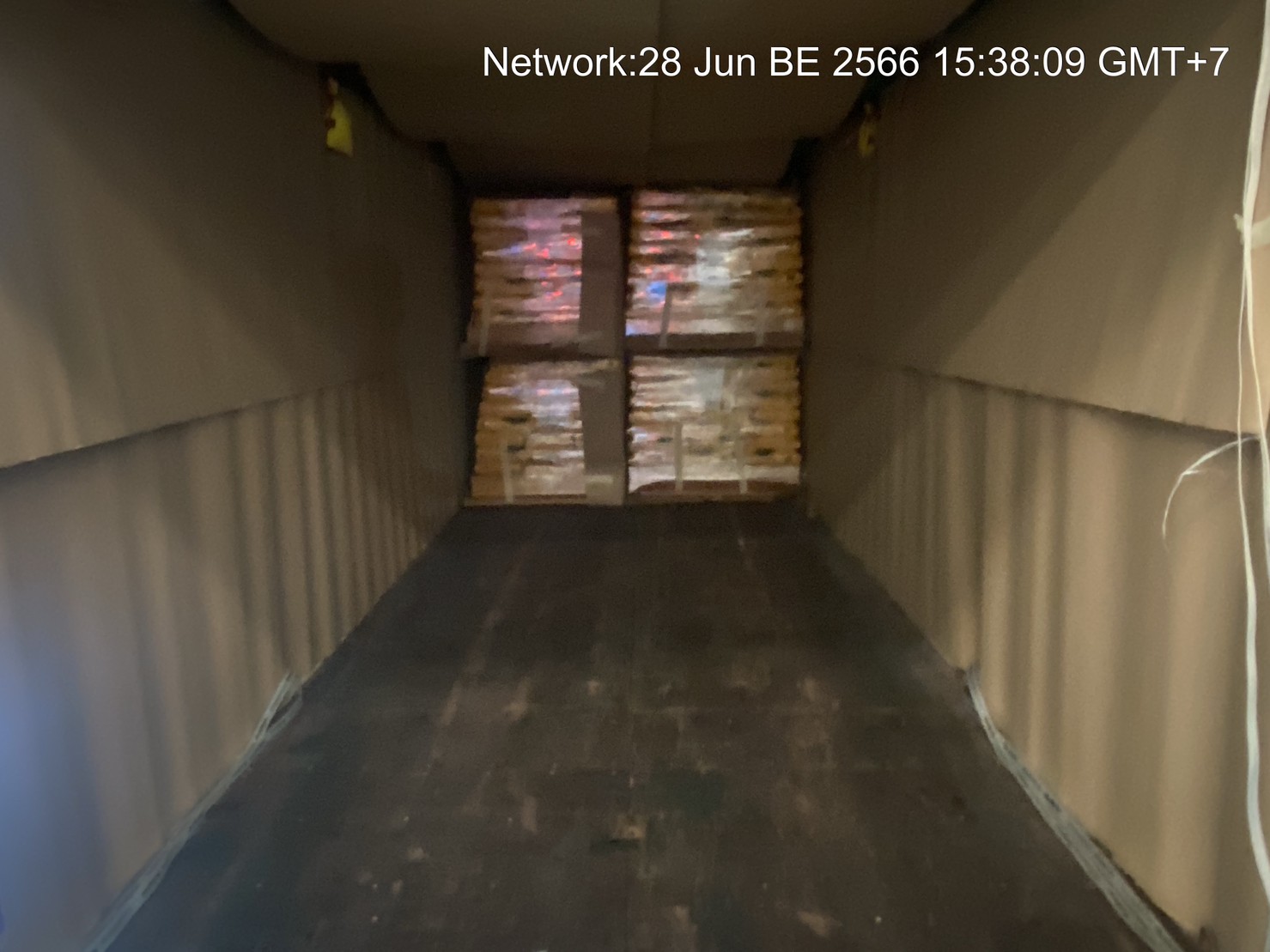
1. Pre-Loading Preparation and Component Verification
- Inventory Reconciliation: Cross-check the physical components against the packing list, bill of lading, and purchase order. Verify quantities, part numbers, batch codes, and serial numbers to ensure no shortages or overages. For overseas shipments, confirm that all items match the export declaration to avoid customs issues.
- Quality Conformance Check: Inspect components for defects, including visual anomalies (e.g., scratches, dents), dimensional accuracy using calipers or gauges, and functional testing if applicable (e.g., electrical components). Reference customer-approved samples or specifications; reject any non-conforming items and document root causes.
- Material and Specification Compliance: Verify that components meet material certifications (e.g., RoHS for electronics, REACH for chemicals) and Thai export standards. For overseas customers, ensure adherence to destination-country regulations (e.g., EU CE marking or US FDA compliance if relevant).
- Packaging Integrity: Examine inner and outer packaging for adequacy—ensure components are cushioned with appropriate materials (e.g., foam, bubble wrap) to prevent movement or damage during loading and transit. Check for moisture barriers, anti-static bags, or corrosion inhibitors as needed for sensitive items.
2. Loading Process Monitoring
- Safe Handling Procedures: Observe loading techniques to ensure components are handled gently—use lifting equipment (e.g., forklifts, cranes) certified for the load weight, and train handlers on anti-static or ESD (electrostatic discharge) protocols if dealing with electronics. Prohibit rough handling that could cause hidden damage.
- Sequencing and Stacking: Ensure logical loading order (e.g., heavy items at the bottom, fragile on top) to maintain stability. Verify stacking heights do not exceed container limits or component tolerances, using spacers or pallets to distribute weight evenly.
- Securing and Bracing: Confirm that components are secured with straps, braces, or dunnage to prevent shifting. For containerized shipments, check for proper blocking and bracing per IMO (International Maritime Organization) guidelines, especially for sea freight to overseas destinations.
- Environmental Controls: Monitor temperature, humidity, and ventilation during loading, particularly for perishable or sensitive components (e.g., using data loggers). In Thailand’s tropical climate, ensure no exposure to rain or direct sunlight that could affect quality.
3. In-Process Verification During Loading
- Real-Time Quantity and Condition Checks: Perform spot checks at intervals (e.g., every 20% of load) to verify counts and inspect for damage incurred during loading. Use barcode scanners or RFID for efficient tracking.
- Labeling and Documentation Accuracy: Ensure all containers, pallets, and components are labeled correctly with shipping marks, handling instructions (e.g., “Fragile,” “This Side Up”), and hazardous material identifiers if applicable. Verify export documents like commercial invoices, certificates of origin (issued by Thai authorities), and fumigation certificates for wooden packaging.
- Seal and Security Measures: Apply tamper-evident seals to containers post-loading and record seal numbers. For high-value or sensitive shipments to overseas customers, implement GPS tracking or chain-of-custody logs.
- Compliance with Customer-Specific Protocols: Adhere to any bespoke requirements from overseas clients, such as third-party witnessing, video recording of the loading process, or integration with their supply chain software.
4. Post-Loading Final Inspection and Reporting
- Container Integrity Check: Inspect the loaded container for structural soundness, door seals, and cleanliness. Ensure no contaminants (e.g., pests, debris) are present, complying with ISPM 15 for international wood packaging.
- Documentation Compilation: Prepare a comprehensive inspection report including photos, checklists, and signatures from inspectors and loaders. Share this digitally with overseas customers for pre-shipment approval.
- Risk Assessment and Contingency: Evaluate potential transit risks (e.g., vibration, shock) and recommend additional protections. If issues are found, halt loading and initiate corrective actions, notifying the customer promptly.
- Audit Trail Maintenance: Log all verification steps in a digital system for traceability, ensuring records are retained for at least 2 years per Thai and international quality standards.