


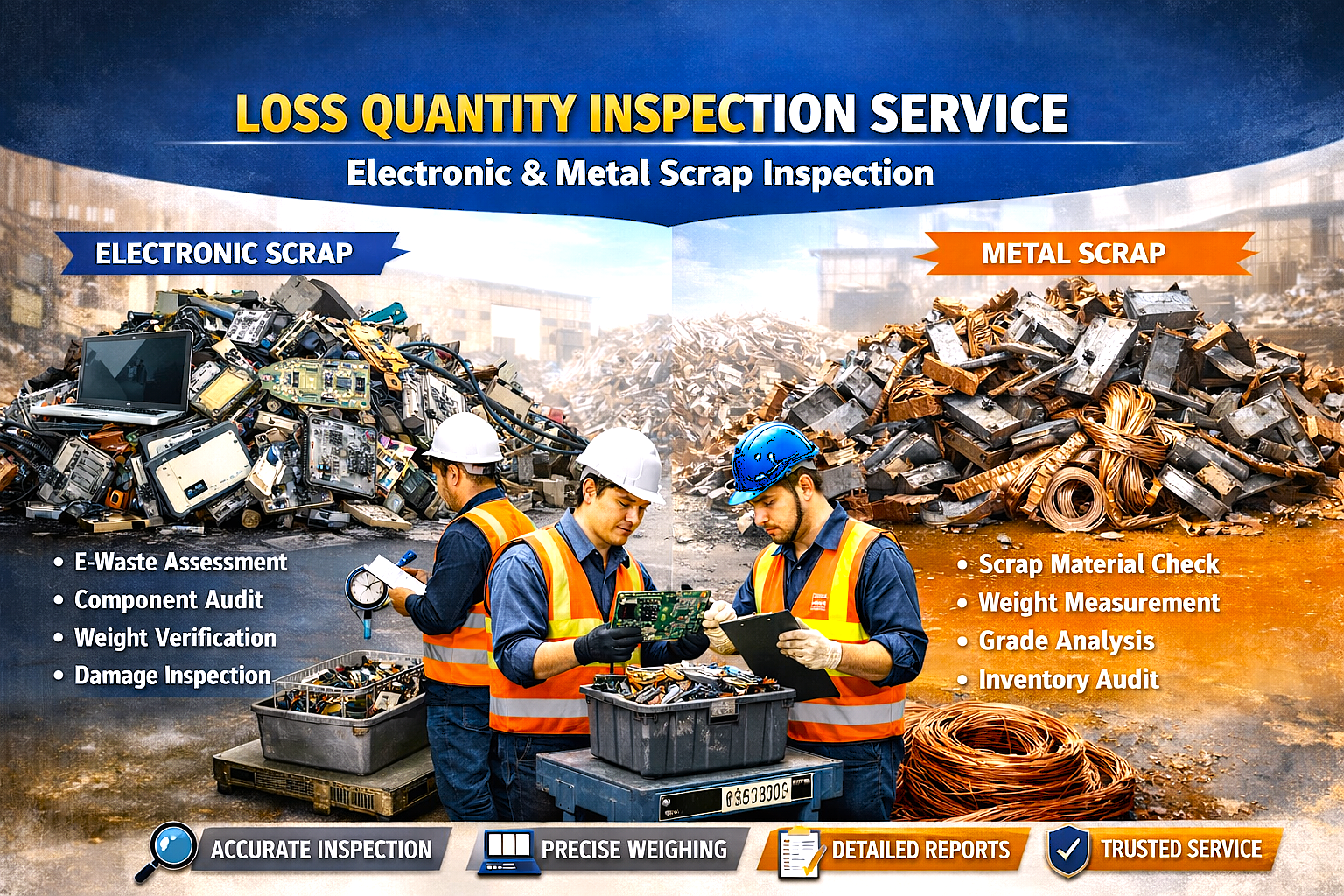
Thailand’s electronics manufacturing industry operates under strict environmental, customs, and Board of Investment (BOI) regulations. Companies producing electronic products, PCBs, PCBA assemblies, electrical components, consumer electronics, and industrial electronic equipment must properly control, record, and dispose of manufacturing scrap and electronic waste (E-Waste) according to Thai laws and BOI requirements.
What is Electronic Scrap Inspection?
Electronic Scrap Inspection is a verification and monitoring process conducted to confirm that rejected, damaged, obsolete, or excess electronic materials generated during manufacturing are properly identified, segregated, recorded, and disposed of according to Thailand BOI and environmental regulations.
The inspection process ensures that scrap materials are not illegally reused, resold, exported, or disposed of improperly. It also helps manufacturers maintain transparent inventory control and avoid regulatory penaltie
Types of Electronic Scrap Commonly Generated in Thailand
Electronic manufacturing factories typically generate various categories of scrap during production processes.
PCB & PCBA Scrap
- Rejected Printed Circuit Boards (PCB)
- Defective PCBA assemblies
- Burnt or damaged boards
- Functional failure boards
- SMT process rejects
- Rework failure boards
Electronic Component Scrap
- ICs and semiconductor rejects
- Damaged connectors
- Capacitors and resistors
- Sensors and switches
- Failed electronic modules
- Expired electronic parts
Soldering Waste
- Solder dross
- Waste solder paste
- Flux residue
- Contaminated solder materials
Cable & Wiring Scrap
- Copper wire scrap
- Harness rejects
- Insulation waste
- Connector cable defects
Plastic & Metal Electronic Scrap
- Electronic housing rejects
- Plastic injection defects
- Aluminum heat sink scrap
- Stainless steel electronic enclosures
E-Waste & Hazardous Waste
- Lithium batteries
- Power supply units
- Electronic displays
- Damaged chargers
- Defective electronic appliances
- Contaminated hazardous materials
Importance of BOI Scrap Inspection in Thailand
Regulatory Compliance
BOI-promoted companies are required to maintain proper records of imported raw materials, production usage, and generated scrap quantities.
Customs Control
Scrap generated from duty-free imported materials must be verified before local sale, destruction, or export.
Environmental Protection
Improper handling of E-Waste can contaminate soil, water, and the environment due to hazardous chemical content
BOI Scrap Inspection Process
1. Scrap Segregation
All scrap materials must be separated according to:
- Product type
- Material category
- Production lot
- Defect classification
- Hazard level
2. Documentation Review
Verification of:
- BOI records
- Production reports
- Scrap generation records
- Inventory reconciliation
- Disposal documentation