


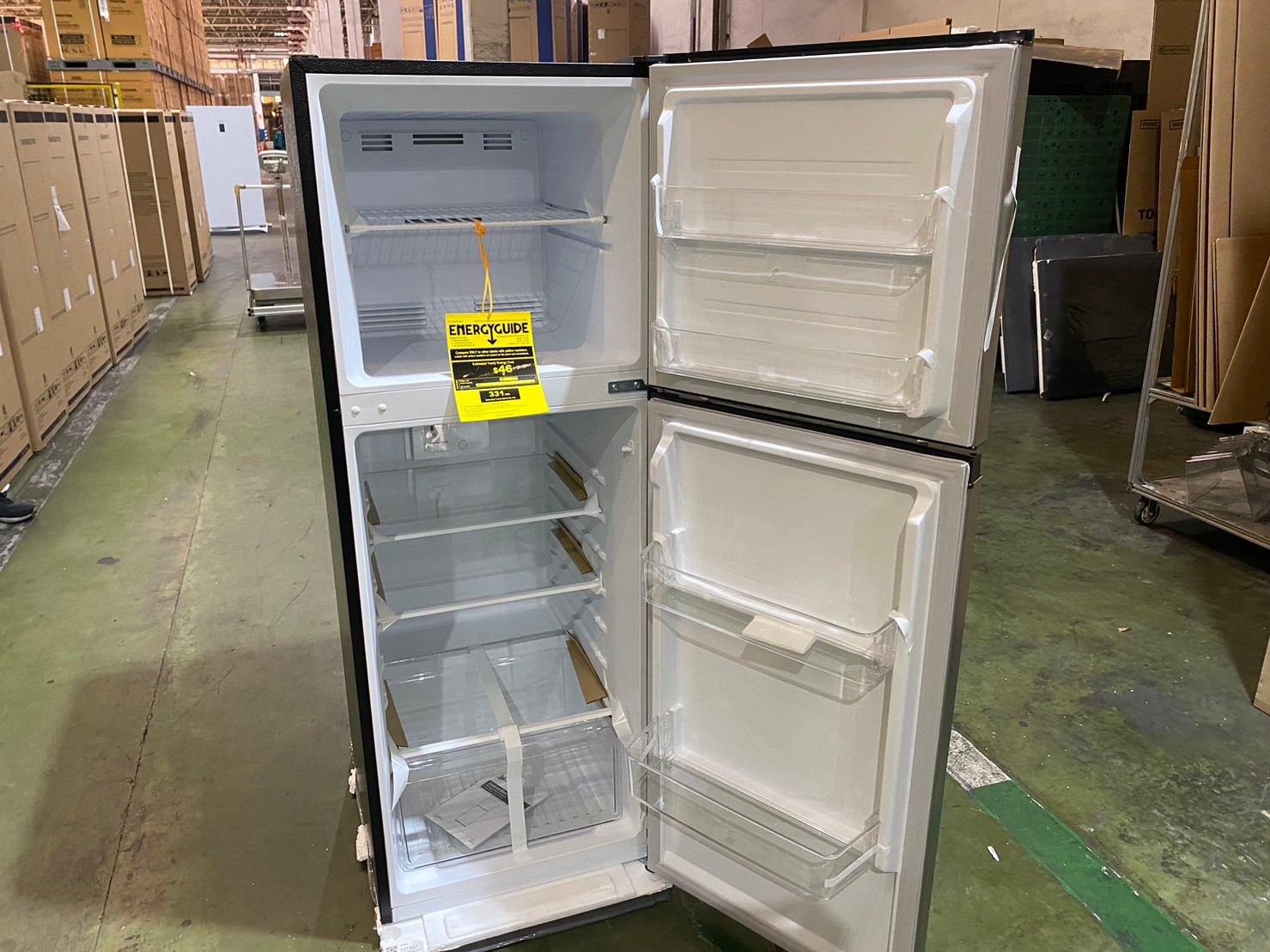
Refrigerators are essential appliances used in households, commercial establishments, and industrial environments to preserve food and maintain controlled temperatures. Ensuring their quality, safety, and performance requires a structured inspection process throughout manufacturing and before delivery.
A well-defined inspection method helps manufacturers maintain product reliability, meet regulatory requirements, and enhance customer satisfaction.
Refrigerator Inspection Method
A comprehensive refrigerator inspection process typically includes the following stages:
1. Incoming Material Inspection (IQC)
- Inspect critical components such as compressors, condensers, evaporators, thermostats, sensors, and insulation materials.
- Verify supplier quality and compliance with specifications.
- Check for physical damage, dimensional accuracy, and certification (e.g., safety approvals).
2. In-Process Inspection (IPQC)
- Monitor assembly line processes such as tubing, brazing, and wiring.
- Inspect refrigerant piping for proper routing and joint quality.
- Ensure correct installation of components like compressors and fans.
- Verify torque settings, alignment, and workmanship standards.
3. Leak Testing
- Perform leak detection using methods such as:
- Helium leak testing
- Pressure decay testing
- Soap bubble testing (basic level)
- Ensure there is no refrigerant leakage in the sealed system.
4. Electrical Safety Testing
- Conduct tests such as:
- Insulation resistance test
- High voltage (Hi-Pot) test
- Ground continuity test
- Ensure compliance with safety standards and prevent electrical hazards.
5. Functional Performance Testing
- Power on the refrigerator and verify:
- Compressor operation
- Cooling performance
- Thermostat functionality
- Fan and defrost system operation
- Check temperature pull-down time and stability.
6. Noise and Vibration Testing
- Measure noise levels during operation.
- Identify abnormal vibration from compressor or fans.
- Ensure compliance with acceptable acoustic standards.
7. Energy Consumption Testing
- Evaluate power consumption under standard conditions.
- Compare with energy efficiency ratings and regulatory requirements.
8. Final Quality Inspection (FQC)
- Perform visual inspection for cosmetic defects such as scratches, dents, or misalignment.
- Verify labeling, packaging, and accessories.
- Ensure product meets customer specifications and standards.
9. Reliability and Endurance Testing
- Conduct long-duration testing to simulate real-life usage.
- Evaluate durability of compressor, door hinges, and seals.
- Perform door open/close cycle tests.
Importance of Refrigerator Inspection
1. Ensures Product Safety
Refrigerators involve electrical systems and refrigerants. Proper inspection prevents:
- Electrical shocks
- Fire hazards
- Refrigerant leakage risks
2. Maintains Cooling Performance
Inspection ensures:
- Proper temperature control
- Efficient cooling
- Consistent performance over time
This is critical for food preservation and preventing spoilage.
3. Enhances Energy Efficiency
Well-inspected refrigerators:
- Consume less electricity
- Meet energy rating standards
- Reduce operational costs for users
4. Prevents Field Failures
Identifying defects during manufacturing reduces:
- Customer complaints
- Warranty claims
- Product recalls
5. Ensures Regulatory Compliance
Refrigerators must comply with international and local standards such as:
- Safety certifications (IEC, UL, etc.)
- Energy labeling regulations
- Environmental requirements (e.g., refrigerant control)
Inspection ensures adherence to these standards.
6. Improves Customer Satisfaction
A reliable product with:
- Low noise
- Efficient cooling
- Good finish quality
leads to better customer experience and brand reputation.
7. Supports Continuous Improvement
Inspection data helps:
- Identify recurring defects
- Improve manufacturing processes
- Strengthen supplier quality