


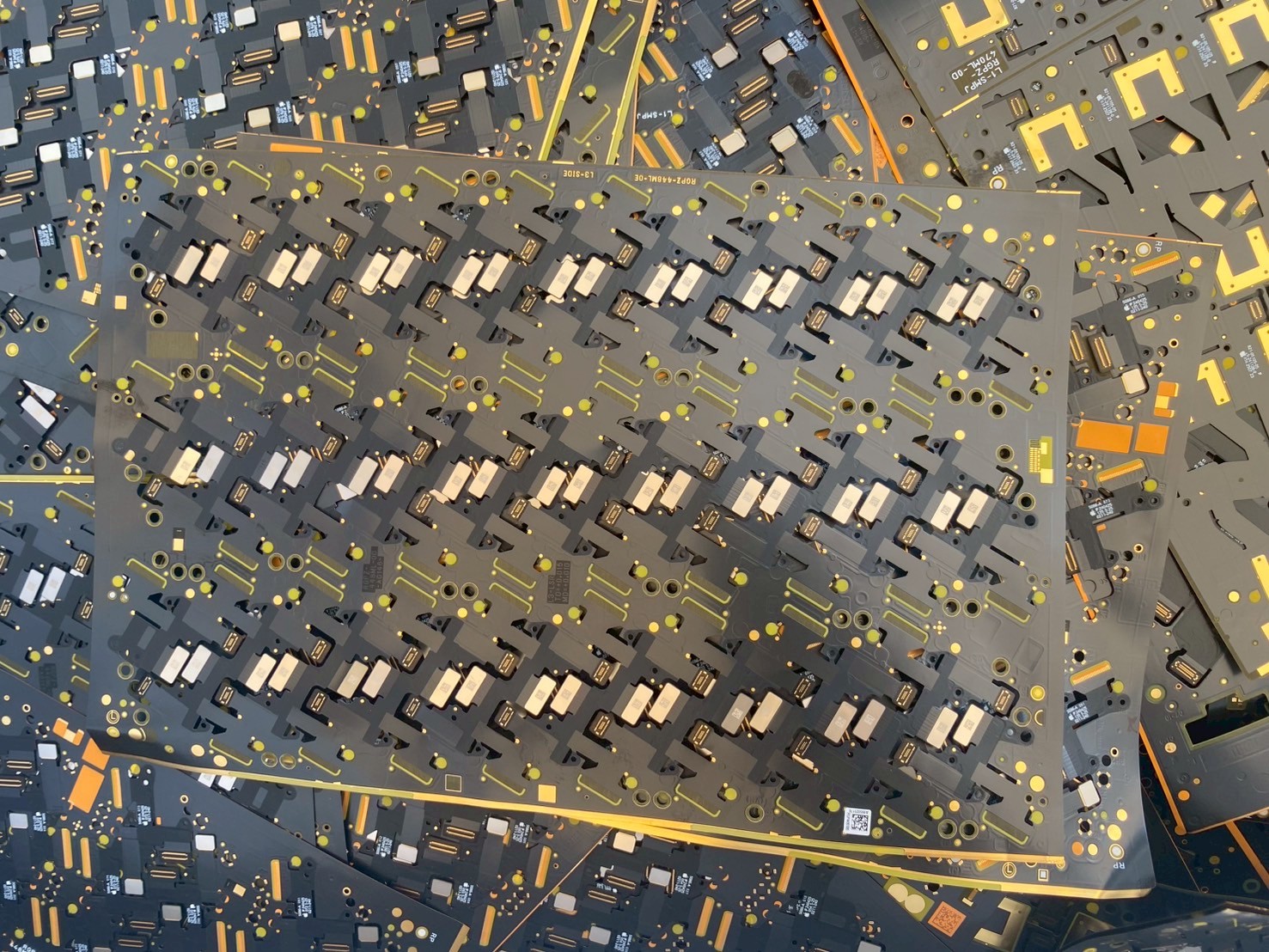
For High-Tech Manufacturing & Electronics, quality inspection is far more critical than in traditional manufacturing because products involve micro-level tolerances, complex assemblies, sensitive components, and high reliability expectations (automotive, medical, telecom, aerospace, etc.).
🔹 1. Incoming Quality Inspection (IQC)
Purpose: Ensure only approved and conforming components enter production.
Key Points:
- Supplier verification
- Approved Vendor List (AVL)
- Supplier CoC, RoHS/REACH compliance
- Component verification
- Part number & revision
- Packaging integrity (ESD, moisture barrier)
- Labeling, lot & date code traceability
- Visual inspection
- Damage, corrosion, bent leads, contamination
- Dimensional check
- Connector pins, PCB thickness, component size
- Electrical verification (where applicable)
- IC authenticity (counterfeit check)
- Passive component value verification
- MSL control
- Moisture sensitivity level handling & baking
📌 Tools: Calipers, microscopes, LCR meters, XRF (RoHS), barcode scanners
🔹 2. ESD Control Inspection
Purpose: Protect sensitive electronic components.
Key Points:
- ESD wrist strap & footwear test
- Grounding verification
- Ionizer performance check
- ESD workstation audit
- Packaging compliance (ESD bags, trays)
📌 Standards: ANSI/ESD S20.20, IEC 61340
🔹 3. In-Process Quality Inspection (IPQC)
Purpose: Catch defects before they multiply downstream.
PCB & SMT Line:
- Solder paste inspection (SPI)
- Volume, height, alignment
- Pick & place inspection
- Missing, wrong, reversed components
- Reflow profile verification
- Automated Optical Inspection (AOI)
- Solder bridges, tombstoning, polarity
Assembly Line:
- Torque verification
- Connector seating
- Cable routing
- Adhesive curing
📌 Tools: AOI, SPI, torque testers, microscopes
🔹 4. Functional & Electrical Testing
Purpose: Verify the product works exactly as designed.
Key Tests:
- In-Circuit Test (ICT)
- Functional Test (FCT)
- Boundary Scan
- Power consumption test
- Signal integrity test
- Communication test (WiFi, Bluetooth, Ethernet, CAN, etc.)
📌 Important:
- Golden sample validation
- Test coverage >95%
- Test fixture calibration
🔹 5. Environmental & Reliability Testing
Purpose: Ensure long-term durability in real-world conditions.
Typical Tests:
- Temperature cycling
- High temperature / humidity
- Thermal shock
- Vibration & drop test
- Burn-in test
- Power cycling
📌 Standards:
- IEC, JEDEC, MIL-STD, ISO
🔹 6. Final Quality Inspection (FQC)
Purpose: Ensure only perfect products ship to customers.
Key Checks:
- Cosmetic inspection
- Labeling & serial number verification
- Barcode scan & traceability
- Firmware version verification
- Packaging integrity
- Accessories completeness
🔹 7. Traceability & Documentation
Purpose: Enable root cause analysis & customer confidence.
Must Have:
- Serial number tracking
- Component lot traceability
- Test logs
- Process history
- Calibration records
- SPC data
🔹 8. Process Control & Data Monitoring
Purpose: Prevent defects before they happen.
Tools:
- SPC charts (Cp, Cpk)
- Control plans
- FMEA
- MSA
- Yield & DPPM tracking
🔹 9. Compliance & Regulatory Inspection
For export markets:
- CE, FCC, UL
- RoHS, REACH
- WEEE
- IEC safety
🔹 10. Packing, Storage & Shipping Inspection
Purpose: Protect product quality until it reaches customer.
- Shock & vibration protection
- Moisture protection
- ESD safe packaging
- Container loading inspection
- Drop test for packaging