


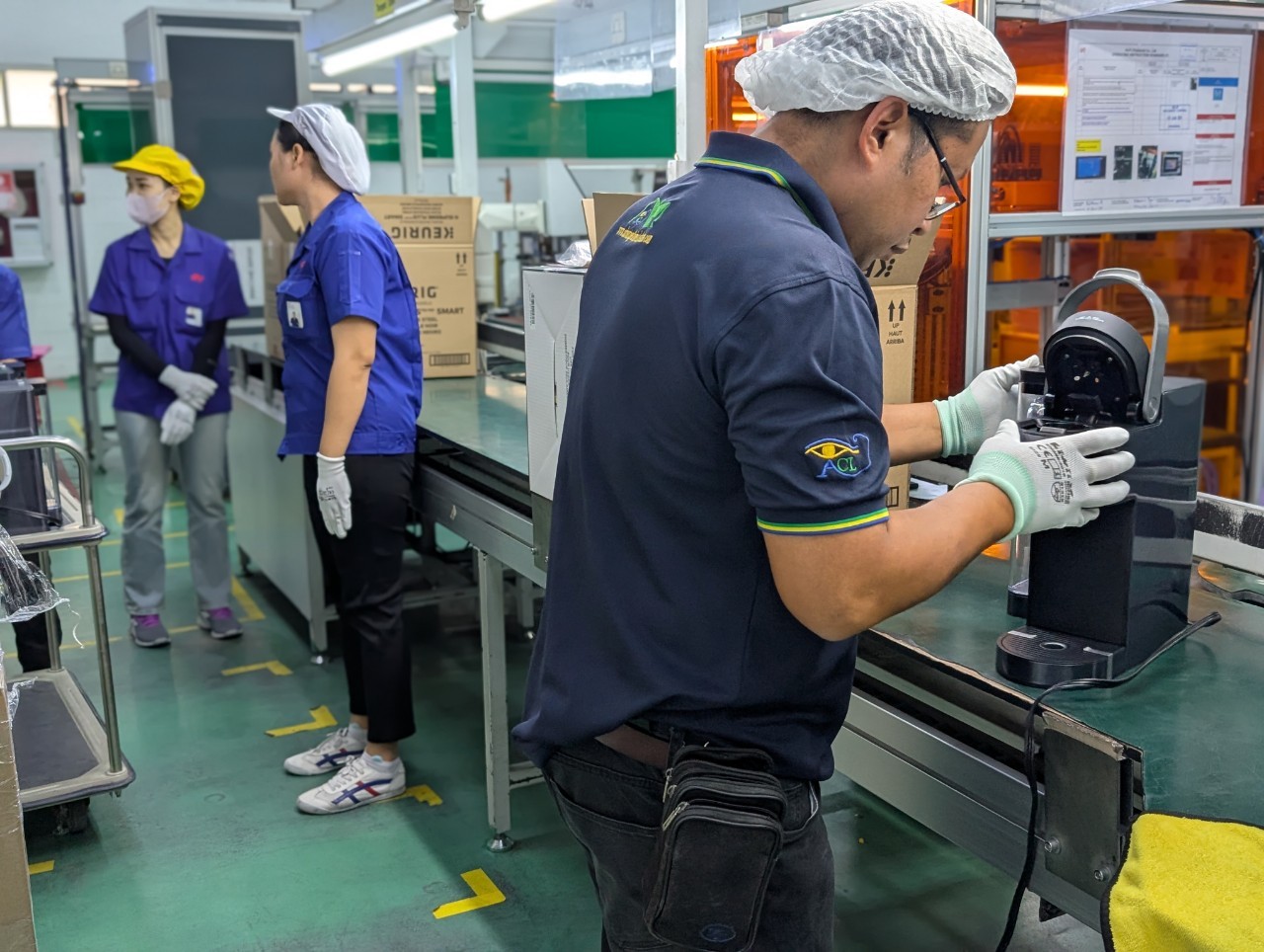
Quality inspection is a critical process in the consumer goods industry, where products like clothing, electronics, toys, food, cosmetics, and household items are directly used by everyday people. It involves checking products at various stages (pre-production, during production, pre-shipment) to ensure they meet safety, performance, and quality standards before reaching consumers.
Without proper quality inspection, defective products can cause harm, financial losses, and damage to brands. Here’s why it’s essential:
- Ensures Consumer Safety and Reliability Consumer goods often involve direct contact with users (e.g., toys for children, food packaging, or electronics). Poor quality can lead to serious risks like choking hazards, chemical contamination, electrical failures, or injuries. Quality inspection detects defects early, preventing unsafe products from entering the market and protecting consumers from harm.
- Boosts Customer Satisfaction and Loyalty Consumers expect consistent, reliable products. Defects lead to disappointment, returns, negative reviews, and lost trust. Consistent high-quality goods build loyalty, encourage repeat purchases, and generate positive word-of-mouth.
- Protects Brand Reputation In a competitive market, one recall or viral complaint can ruin a brand’s image. Quality inspection helps maintain a positive reputation by ensuring products meet expectations and avoiding scandals that erode consumer confidence.
- Reduces Costs and Waste Identifying defects early avoids expensive rework, scrap, recalls, or warranty claims. Poor quality can increase costs significantly (sometimes 10-15% of operations), while effective inspection improves efficiency and profitability.
- Ensures Regulatory Compliance Consumer goods must meet strict laws (e.g., safety standards for toys, food safety regulations, or environmental rules). Non-compliance can result in fines, bans, or legal actions. Inspection helps manufacturers stay compliant and avoid penalties.
- Improves Overall Business Performance Quality inspection minimizes waste, speeds up time-to-market, and enhances operational efficiency. It also reduces risks like lost sales, delayed shipments, or supplier issues.