


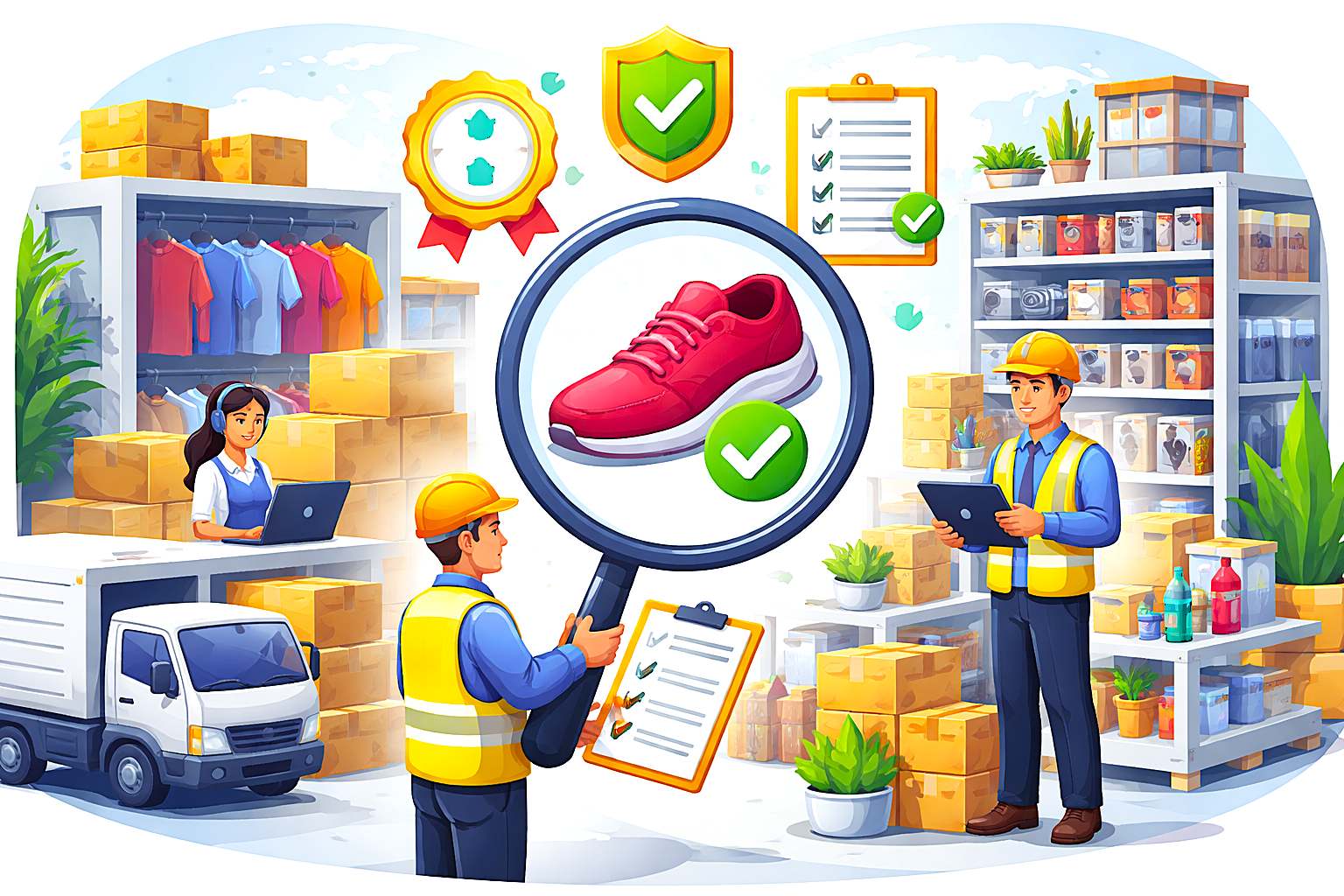
In today’s competitive retail landscape, where consumer trust and product quality can make or break a brand, third-party inspections have become a critical tool for success. These independent assessments, conducted by external experts, verify that products meet quality standards, comply with regulations, and align with retailer expectations. But why exactly do retailers rely on them? This article explores the key reasons, backed by industry data and insights, to highlight their indispensable role in modern supply chains.
1. Ensuring Unbiased Quality Control and Product Integrity
One of the primary reasons retailers turn to third-party inspections is to obtain an objective evaluation of product quality. Unlike in-house or supplier-led checks, third-party inspectors provide impartial assessments, identifying defects, inconsistencies, or substandard materials that might otherwise go unnoticed. This helps prevent faulty products from reaching shelves, safeguarding brand reputation.
For instance, in the consumer goods and retail sector, third-party inspections have driven significant growth by ensuring compliance with stringent quality norms. Studies show that regular inspections reveal preventable defects, leading to process improvements that benefit both retailers and suppliers. By catching issues early—such as poor stitching in apparel or flawed packaging—retailers can avoid customer complaints and maintain high standards.
2. Achieving Cost Savings and Reducing Financial Risks
While third-party inspections involve an upfront cost (typically around $240 per man-day, with an average of 1.5 man-days per inspection in Asia), they deliver substantial long-term savings. Retailers can prevent expensive recalls, shipping delays, and rework by identifying problems before products ship.
Data from the Quality Assurance Institute indicates that businesses using third-party inspections reduce rework costs by an average of 25%. In one case study, a retailer cut third-party inspection costs by nearly 60% in the first year by targeting high-risk suppliers, while still improving overall quality. Additionally, avoiding non-compliance penalties and customs detentions can save hundreds of thousands of dollars, as inspections help mitigate unexpected expenses from defective goods. For small and mid-sized retailers, this flexible, pay-as-needed approach levels the playing field without requiring heavy investments in internal resources
3. Meeting Regulatory Compliance and Retailer Standards
Retailers operate in a highly regulated environment, where failure to comply can result in legal issues, fines, or bans. Third-party inspections ensure products adhere to industry standards, safety regulations, and specific retailer requirements, such as those from major chains or certification programs.
4. Enhancing Customer Trust and Brand Reputation
In an era where consumers demand transparency, third-party inspections build credibility by demonstrating a commitment to quality and ethics. Detailed inspection reports, often including defect rates and risk statistics, reassure buyers—especially in eCommerce, where international sourcing raises concerns about product reliability.
5. Mitigating Supply Chain Risks and Promoting Transparency
Global supply chains are complex, with risks from supplier inconsistencies or unforeseen issues. Third-party inspections offer an extra layer of oversight, verifying production facilities and processes to ensure consistency and safety. This is crucial for retailers importing from abroad, where on-site checks provide peace of mind.
By addressing root causes of defects, inspections lead to better supplier relationships and reduced integrity risks. In high-stakes industries, this independent verification enhances operational efficiency and prevents costly downtime.