


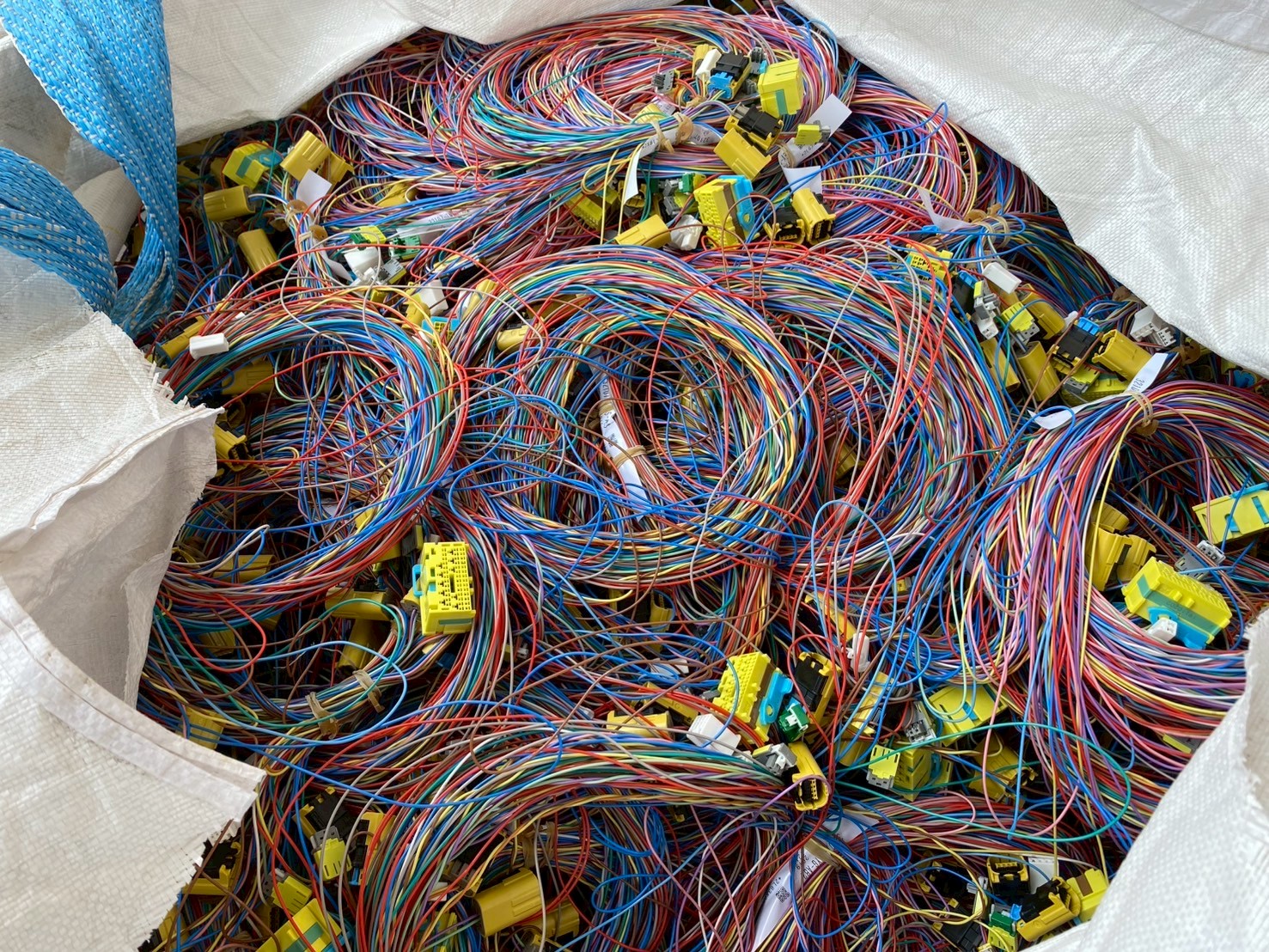
🌍 1. Huge and Growing Volume of E-Waste
Thailand generates a significant amount of electronic waste every year — over 400,000 tonnes annually, including phones, tablets, and other electronics — and this amount continues to grow with rising consumption and shorter device lifespans.
Without proper control, this waste accumulates in households or informal channels, creating long-term disposal issues.
⚠️ 2. Environmental and Health Risks
Electronic waste contains hazardous substances like lead, mercury, cadmium, and brominated flame retardants. If e-waste is dumped in landfills, burned, or dismantled unsafely (as often happens in informal recycling), these toxins can:
- seep into soil and groundwater, contaminating ecosystems,
- pollute air quality, and
- enter the food chain with long-term health impacts.
Improper handling is linked to neurological, reproductive, and respiratory issues in communities near dumping or treatment sites.
💰 3. Loss of Valuable Resources
E-waste isn’t just waste — it contains precious and strategic materials such as gold, silver, copper, and rare earth elements. For example:
- Recycling 1 million mobile phones can recover more than 15 kg of gold, 350 kg of silver, and 15,000 kg of copper.
Recovering these materials through controlled recycling reduces the need for mining, lowering environmental impact and conserving resources.
📈 4. Economic & Circular Economy Opportunities
Proper scrap control supports Thailand’s growing e-waste recycling industry, creating jobs and business opportunities. The e-waste management market is expanding as more services for recycling and refurbishment are adopted.
With better systems, Thailand can capture economic value instead of losing it to informal recycling or landfill disposal.
⚖️ 5. New Laws and Regulatory Push
Thailand is advancing new legislation specifically for e-waste — such as the Electrical and Electronic Equipment Waste Management Act (WEEE), which is based on Extended Producer Responsibility (EPR). This will legally require producers to take back end-of-life products for proper recycling.
Additionally, Thailand already enforces a ban on e-waste imports to prevent the country from becoming a destination for other nations’ hazardous waste.
🛡️ 6. Protecting Public Health and Communities
Without controlled e-waste management, informal dismantling and unsafe processing can expose workers and nearby residents to toxic chemicals, increasing health costs and risks. Formal systems with safety standards help protect workers and the broader public.
🤝 7. Global Responsibility and Compliance
As part of global efforts to reduce pollution and meet sustainability goals (e.g., SDGs), managing e-waste responsibly helps Thailand align with international environmental commitments and avoid being targeted for international waste dumping.