


PCB and Electronics Manufacturing
PCB and electronic manufacturing generate multiple categories of regulated scrap, such as:
- Bare PCB scrap
- PCBA rejects
- Solder dross
- Electronic component defects
- Production rejects
- Packaging waste
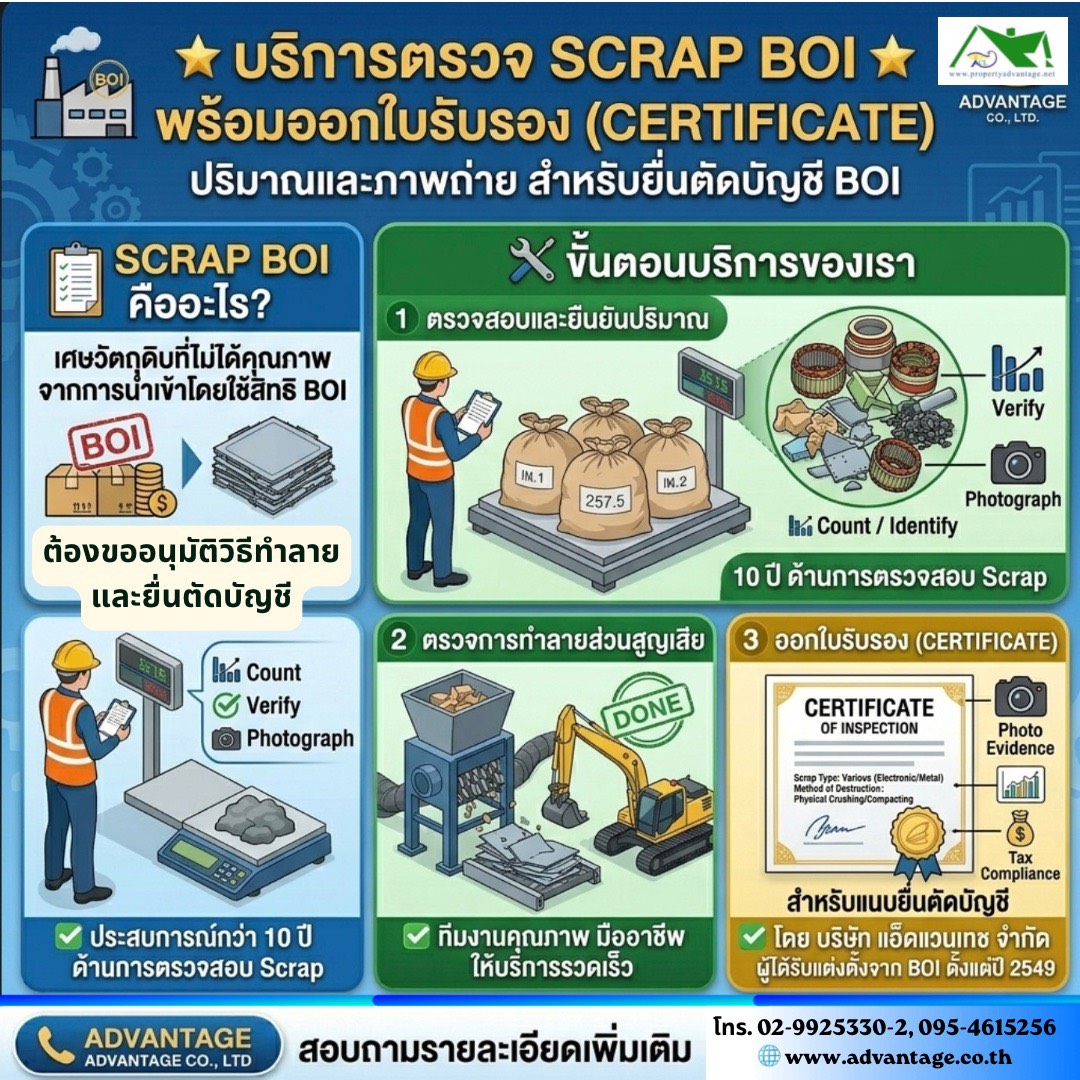
These materials require proper verification and controlled disposal according to BOI and customs regulations.
Automotive Manufacturing
Automotive production facilities frequently manage:
- Defective injection molded parts
- Machining scrap
- Metal shavings
- NG components
- Expired raw materials
- Rejected assemblies
Accurate inspection helps ensure traceability and compliance with BOI inventory controls.
Plastic Injection Molding Industry
Plastic manufacturing operations often generate:
- Runner scrap
- Purging waste
- Defective molded parts
- Resin contamination waste
- Regrind materials
BOI inspection ensures proper accounting and prevents misuse of duty-exempt materials.
Importance of BOI Compliance
Strict compliance with BOI regulations provides several important benefits for manufacturers:
- Retention of BOI tax incentives
- Prevention of customs disputes
- Accurate inventory reconciliation
- Improved audit transparency
- Reduced financial risk
- Proper environmental and waste management
- Stronger internal control systems
Thailand has continued increasing regulatory focus on industrial waste management, scrap handling, and manufacturing compliance, making professional third-party inspection services increasingly important for BOI-promoted companies.