


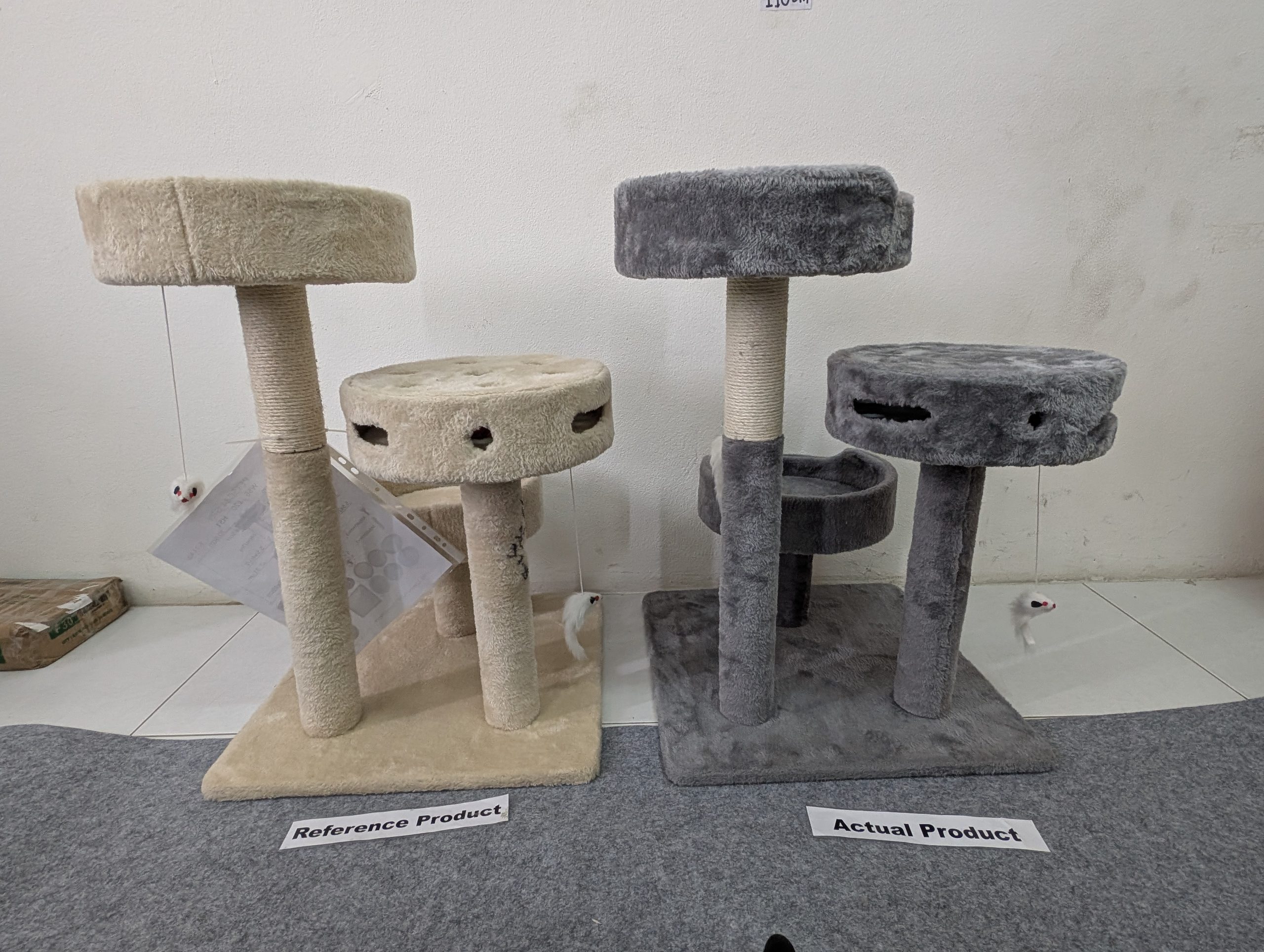
1. Purpose of Cat House Inspection
The goal of inspecting a cat house is to:
- Maintain hygiene and prevent disease
- Ensure structural safety
- Provide comfort and security
- Detect pests or environmental hazards early
Regular inspections improve your cat’s quality of life and reduce long-term maintenance costs.
Step 1: Exterior Examination
- Check for cracks, dents, or broken panels
- Ensure the structure is stable and not tilting
- For outdoor houses, inspect for weather damage (rain, sun, wind)
Step 2: Interior Cleanliness Check
- Remove dirt, fur, and debris
- Identify any bad odors (could indicate bacteria or mold)
- Ensure the space is dry and well-maintained
Step 3: Bedding and Comfort Assessment
- Check if bedding is clean, soft, and dry
- Replace worn-out cushions or fabrics
- Ensure insulation is suitable for the current weather
Step 4: Ventilation and Temperature Control
- Confirm proper airflow inside the house
- Avoid heat buildup in warm climates
- Ensure warmth retention during colder conditions
Step 5: Pest and Parasite Inspection
- Look for fleas, ticks, or mites
- Check corners and bedding for insect activity
- Take immediate action if pests are detected
Step 6: Entry and Accessibility Check
- Ensure the entrance is clear and unobstructed
- Verify the opening is suitable for your cat’s size
- Make adjustments for senior or injured cats if needed
Step 7: Safety Hazard Review
- Remove sharp edges, nails, or splinters
- Check for toxic materials or mold
- Ensure no loose parts could harm your cat
2. Cleaning and Maintenance Process
- Use pet-safe cleaning products
- Wash bedding regularly (at least once a week)
- Disinfect surfaces monthly
- Repair or replace damaged components immediately
3. Signs Your Cat House Needs Replacement
- Persistent odors despite cleaning
- Structural instability or severe damage
- Mold or water damage
- Loss of insulation or comfort