


Electronic products are sensitive to shock, vibration, moisture, static electricity (ESD), temperature changes, and improper stacking, so the process emphasizes extra precautions beyond general cargo loading to minimize damage during international transit.
Key Differences for Electronic Products Compared to General Goods
- Extra fragility & sensitivity — Require anti-static packaging, cushioning, and secure blocking/bracing to prevent movement.
- ESD protection — Critical for components like circuit boards.
- Moisture & condensation risks — Electronics are highly susceptible; dry containers and desiccants are essential.
- Weight distribution & stacking — Avoid heavy items on top of delicate electronics; ensure even weight to prevent crushing or shifting.
- Temperature/humidity — Some items need climate-controlled considerations (though standard dry containers are usually sufficient with proper prep).
Step-by-Step Process for Performing CLI on Electronic Products (Advantage Co., Ltd. Style)
Step 1: Pre-Loading Preparation & Verification
- Confirm the packing list matches the purchase order: item codes, models, quantities, serial numbers (where applicable), and carton details (dimensions, gross/net weight).
- Verify packaging integrity:
- Original manufacturer boxes inside outer cartons (double-boxing recommended).
- Use anti-static bags, foam inserts, bubble wrap, or foam corners for protection against shock/vibration.
- Include sufficient desiccants/silica gel packets and humidity indicator cards (HIC) in cartons.
- Check for proper labeling (fragile/this side up/electronic/anti-static warnings).
- Randomly open sample cartons to inspect:
- Product condition (no visible damage, correct model).
- Presence of accessories/manuals/warranty cards.
- Anti-static/ESD compliance (wrist straps used during packing, if relevant).
Step 2: Container Inspection (Before Any Loading)
- Check external and internal condition: clean, dry, no rust, holes, odors, mold, pests, wetness, or residues.
- Verify floor, walls, roof, and doors are intact; door gaskets seal properly.
- Ensure no previous cargo contamination (especially important for electronics — reject if damp or odorous).
- Record container number, type (dry van usually), and photos.
- For high-value electronics, confirm the container meets C-TPAT/security standards.
Step 3: Weather & Warehouse Check
- Note ambient weather (avoid loading during rain/high humidity if possible).
- Ensure warehouse is dry and clean; no direct sunlight or extreme heat on goods.
Step 4: Supervise the Actual Loading
- Oversee personally — do not allow blind or partial loading.
- Ensure correct sequence:
- Heavy/dense items at the bottom and center.
- Lighter, fragile electronics higher up or in designated areas.
- Use pallets or slip sheets for even stacking; avoid direct floor contact if moisture risk exists.
- Monitor handling: no throwing/dropping cartons; workers use proper lifting.
- Supervise securement:
- Fill gaps with air bags, dunnage, straps, or bracing to prevent shifting.
- Stack cartons stably — do not overhang; max height allows airflow if needed.
- Secure pallets to container walls/floor if required.
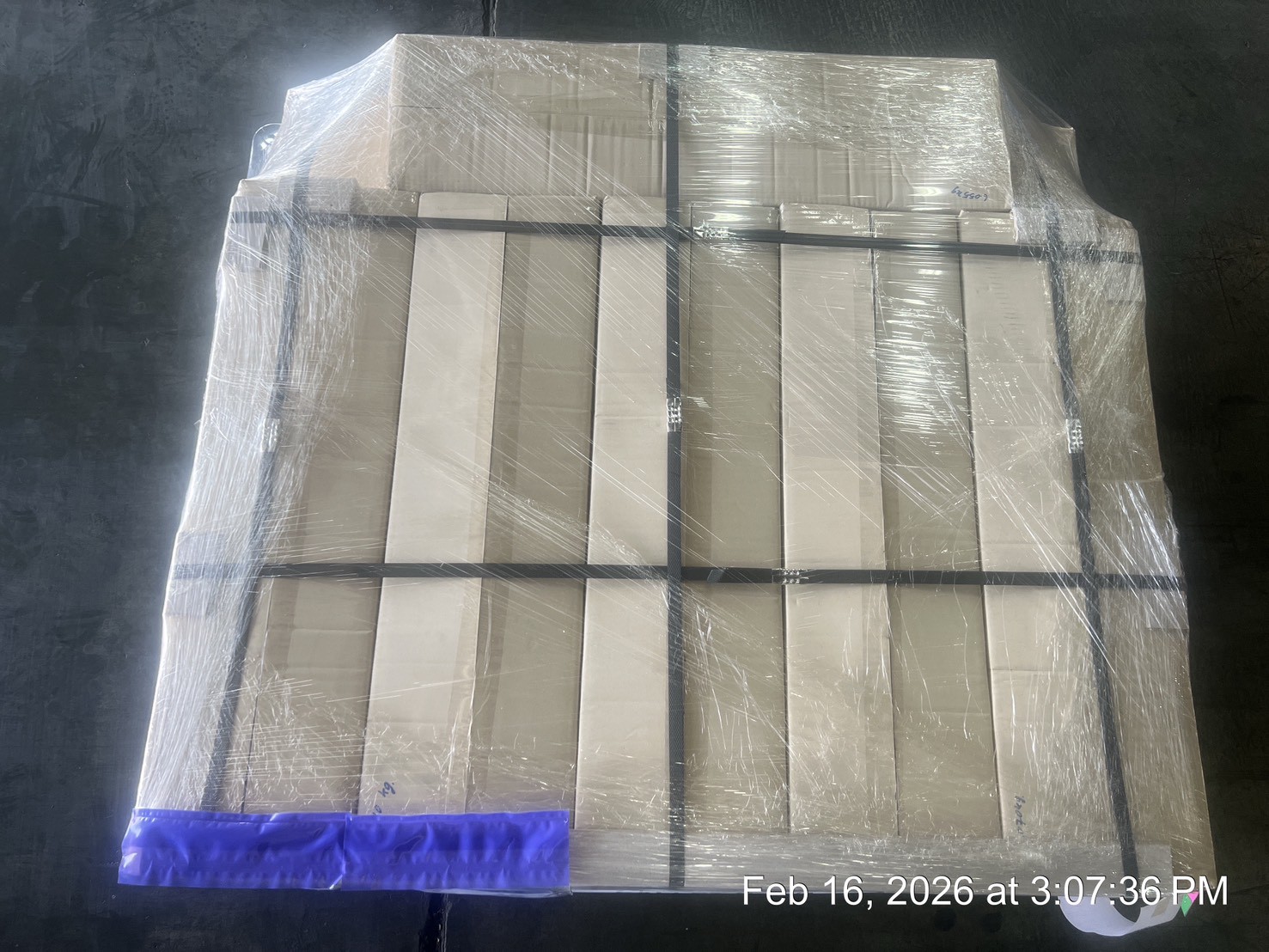
- Take photos throughout: packing condition, stacking pattern, securement methods, product close-ups.
Step 5: Final Checks & Sealing
- Recount loaded quantity vs. packing list — confirm 100% match.
- Check for any last-minute damage or discrepancies.
- Witness container door closing.
- Record seal number (high-security bolt seal preferred for electronics).
- Apply seal in your presence (or client’s specified method).
- Take final photos: sealed doors, seal close-up, overall loaded container.
Step 6: Report & Immediate Notification
- Provide a detailed report with timestamped photos, notes on any issues (e.g., improper cushioning, wet spots, poor stacking).
- Flag urgent problems immediately (e.g., wrong model loaded, container damp) so shipment can be paused if needed.
- Client approves or rejects before departure.
Additional Best Practices for Electronics
- Use detailed packing specs in advance (share with supplier and inspector).
- Request extra photos of sensitive areas (e.g., anti-static bags, desiccants).
- For very high-value or ESD-sensitive items (like semiconductors), consider specialized inspectors familiar with IEC/ANSI ESD standards.
- If shipping sensitive to temperature (e.g., batteries, displays), discuss reefer container or data loggers with your forwarder.
- Always schedule 48+ hours in advance to align timing.